The Insider’s Guide to Buying Liquidation Pallets in Las Vegas: Sourcing Inventory in the Desert
Date: January 16, 2026
Time: 10:39 PM
0
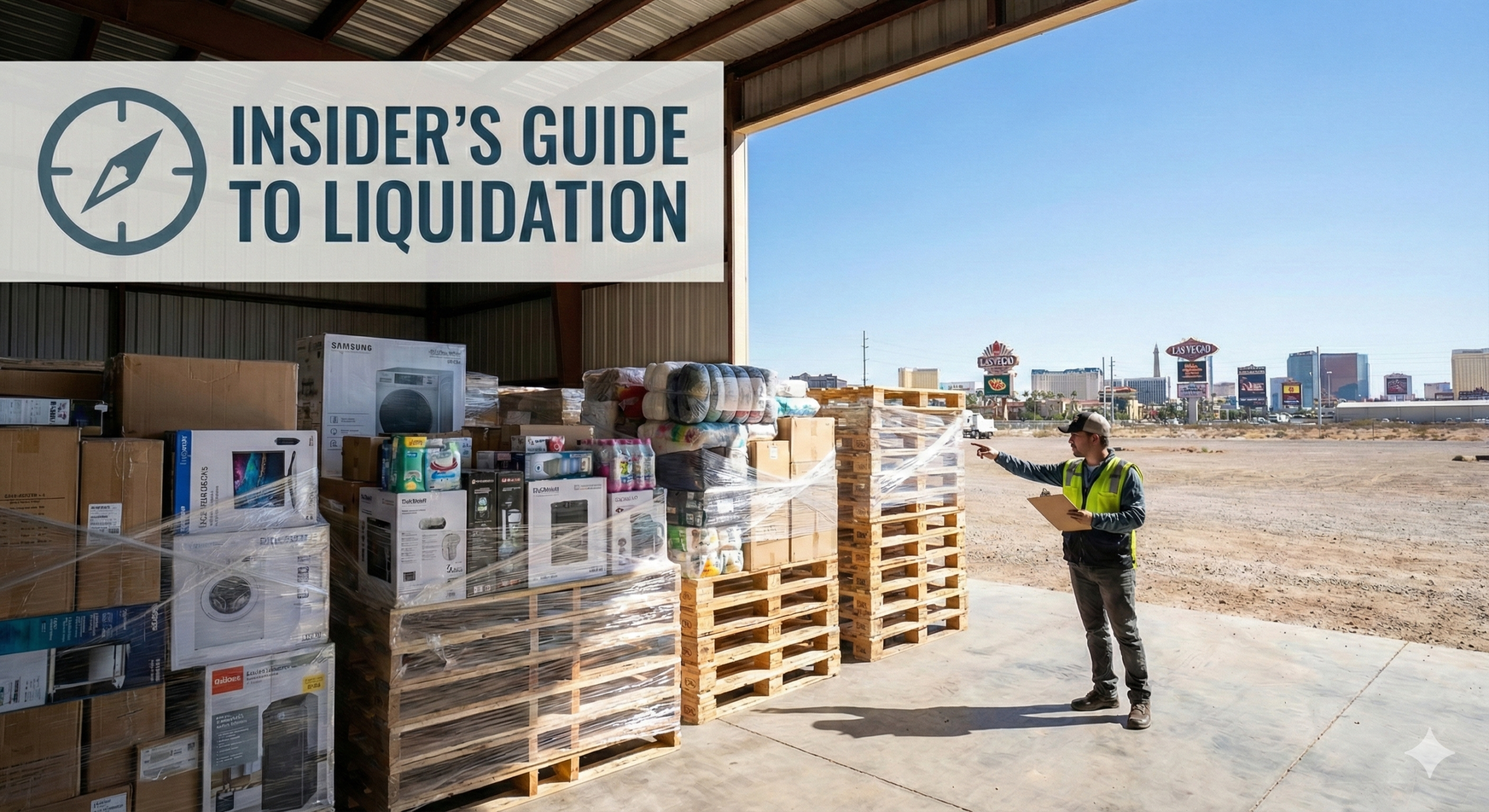
Las Vegas is known for gambling, but for savvy entrepreneurs, the biggest potential payout isn’t on the strip—it’s in the industrial warehouses tucked away in North Las Vegas and Henderson.
If you are an eBay flipper, a Poshmark seller, a flea market vendor, or a bin store owner, you know that sourcing inventory cheap is the entire ballgame.
Thanks to our location as a major logistics hub between California ports and the rest of the country, Las Vegas is awash in returned merchandise from giants like Amazon, Walmart, Home Depot, and Target.
But the liquidation industry is the “Wild West.” It’s full of confusing terminology, hidden risks, and outright scams. Before you drop $1,000 on your first pallet, read this guide to navigating the Vegas secondary market.
The biggest mistake rookies make is buying the wrong type of load for their business model. You need to understand the condition codes.
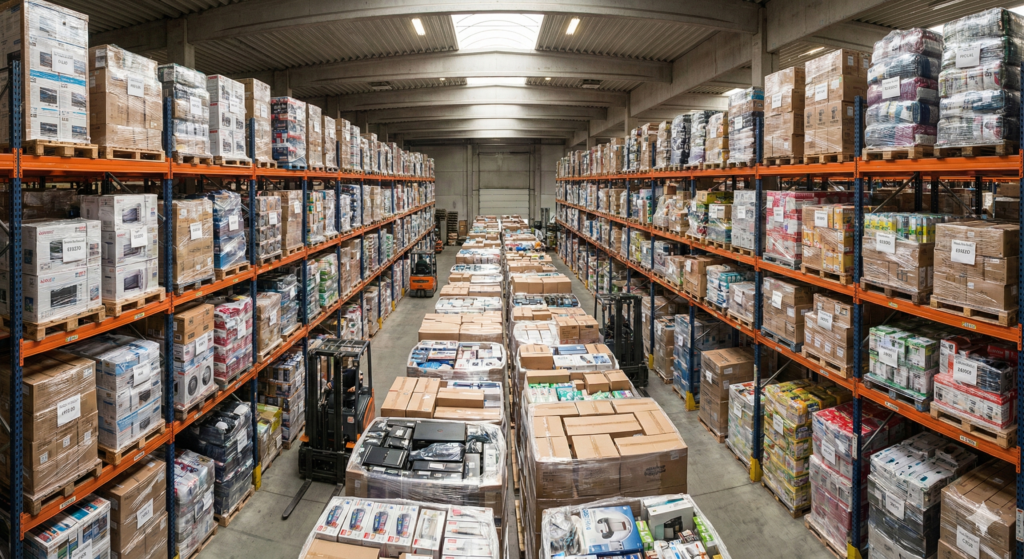
A “manifest” is a spreadsheet listing exactly what is on the pallet. You will see SKUs, original retail prices, and sometimes condition notes.
This is a mystery box sealed with shrink wrap. You are buying based on the source (e.g., “Amazon Mediums” or “Target Returns”) and a visual inspection of the outside of the pallet.
Just because it’s on a pallet doesn’t mean it’s ready to sell.
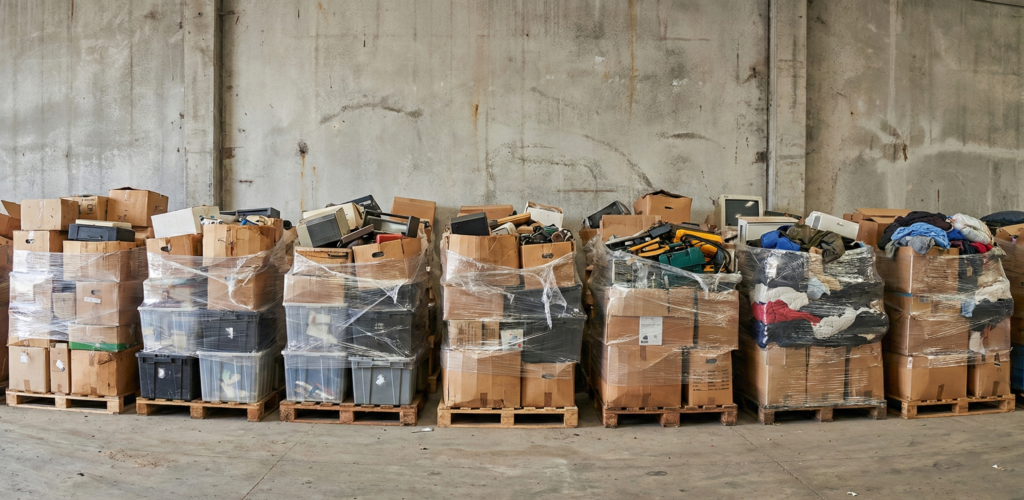
Shelf Pulls (A+ Grade): Items that were on a retail shelf but didn’t sell, and were pulled to make room for new stock. Usually brand new packaging, perhaps slightly dusty or with a clearance sticker.
Buying in Las Vegas presents a unique challenge that resellers in other states don’t face: The Heat.
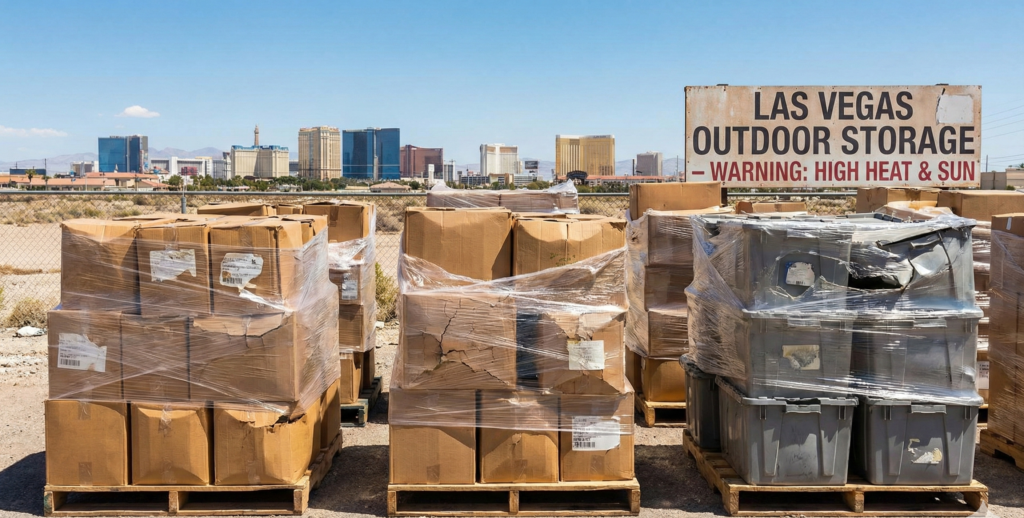
If you are buying health & beauty products, candles, chocolates, or certain plastics during the summer, you must ask where the pallets have been stored. A pallet of cosmetics sitting on an un-air-conditioned loading dock in July for three days will be a melted, unsellable brick by the time you get it.
Always inspect heat-sensitive goods carefully during the summer months.
The liquidation boom has attracted many scammers. Here are red flags to watch out for locally:
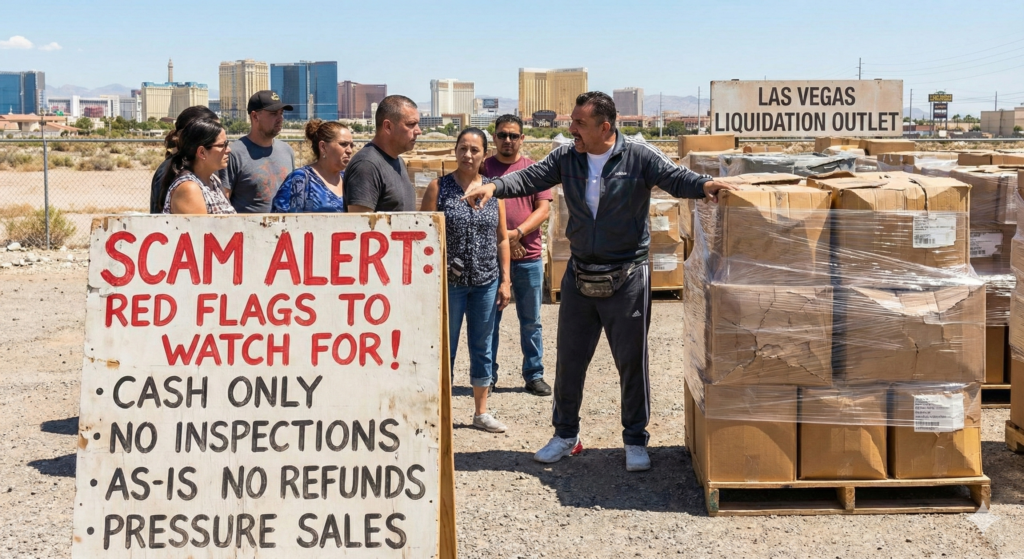
The Vegas Liquidation Hub Advantage: We verify that the businesses listed in our directory have actual physical locations here in the valley, and or are trustworthy businesses looking for good quality sales.
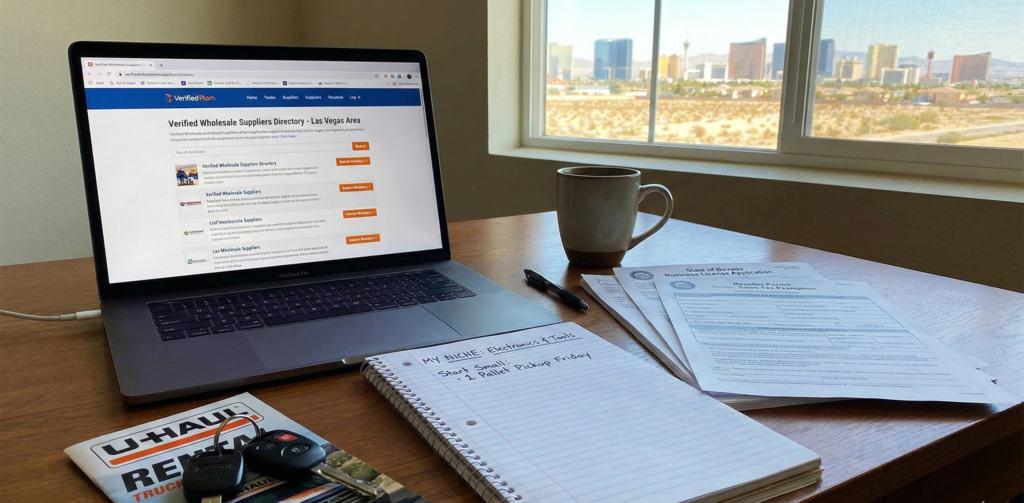
Ready to find inventory? Click below to browse our directory of local Las Vegas wholesalers who have pallets in stock right now.